
What Is the Square 1 System?
Square 1 uses muscle testing to help identify which joint or joints the nervous system may be compensating around. Once identified, the system uses specific resets intended to help restore more normal neurological function and movement.
The changes can sometimes be immediately noticeable in strength, mobility, range of motion, or the ability to perform a movement that was restricted before the reset.
If you want to learn or experience Square 1, I recommend going directly to its creator, Shawn Sherman.
Learn More From Shawn Sherman / Square 1 System →
How Does Square 1 Use Muscle Testing?
Muscle testing is central to Square 1. The practitioner establishes a muscle response and then systematically challenges or evaluates different joints and movement patterns. Changes in the muscle response are used to help identify compensation joints: areas the nervous system may be using to compensate for another problem or protect the body.
The goal is not simply to find a “weak muscle.” The muscle response provides information that helps the practitioner determine where the compensation pattern may be occurring. Once the relevant pattern has been identified, Square 1 uses a specific neurological reset. The movement or muscle response can then be retested to see whether it changed.
What Is a Compensation Joint?
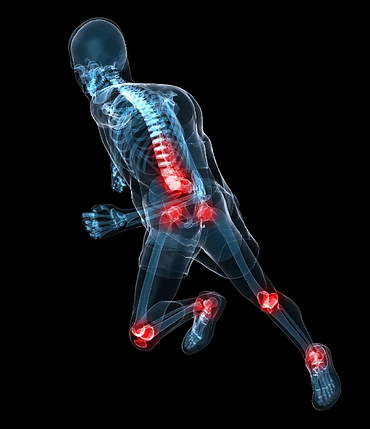
A compensation joint is a joint the nervous system is using differently as part of a protective or compensatory movement pattern. The location of the compensation is not necessarily where someone feels pain or restriction.
Someone may notice changes in shoulder movement, hip mobility, squatting, running, rotation, strength, range of motion, balance, or athletic performance, while muscle testing points to a compensation involving a different joint. A central Square 1 premise is that the site of restricted movement is not necessarily the site creating the restriction.
The Stubbed-Toe Analogy
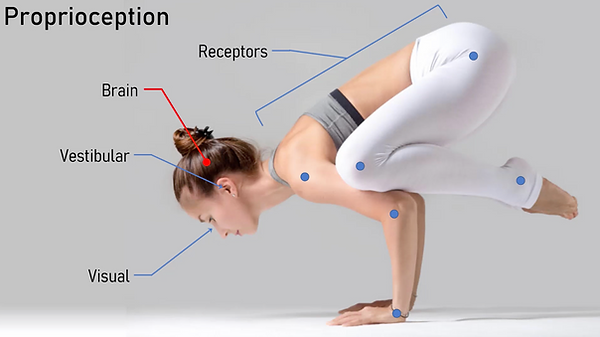
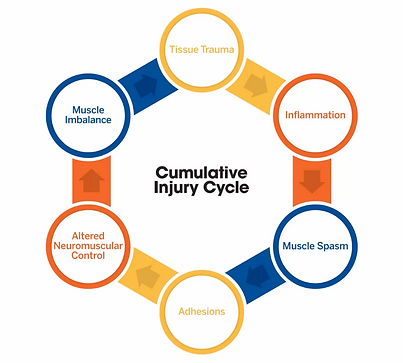
Think about stubbing a toe. The body instinctively limps to protect the injury and finds a movement pattern that works with the remaining resources. When the toe heals, there may not be a clear signal that it is safe to stop limping. Square 1 explores the possibility that protective movement patterns can stay in place after an earlier stressor has resolved.
Why Athletes May Find Square 1 Interesting
Square 1 can be especially interesting when a movement suddenly does not work the way it should. This may include changes in strength, mobility, range of motion, running mechanics, squatting, rotation, shoulder movement, hip movement, balance, or athletic performance.
Square 1 centers on a useful movement question: where might the nervous system be compensating, and what happens when that pattern is identified and retested? Its framework asks a useful movement question: where might the nervous system be compensating, and what happens when that pattern is identified and retested?
Want to Understand Muscle Testing?
Muscle testing is used in several systems for different purposes. In Square 1, it is specifically used to help identify neurological compensation patterns and compensation joints affecting movement.
I also discuss other applications of muscle testing at VIGEO, including Emotion Code, Body Code, Belief Code, and Dr. Jerry Tennant’s meridian work.
Questions About Square 1
What is the Square 1 System?
Square 1 is Shawn Sherman’s approach to using muscle testing and movement assessment to explore compensation patterns the nervous system may be using.
Who created Square 1?
Shawn Sherman is identified by the official Square 1 organization as the person who built the Square 1 System.
Does Square 1 use muscle testing?
Yes. Muscle testing is a central assessment tool within Square 1. It is used to help identify compensation joints and neurological patterns that may be interfering with movement.
Can the compensation joint be somewhere other than where I hurt?
Yes. The framework looks for the possibility that a restricted movement and the compensation pattern contributing to it may not be in the same location.
Does Dawn currently offer Square 1 at VIGEO?
Not as a regular VIGEO service. I have learned the Square 1 System and can perform the technique, but it is not currently a primary part of my practice. For Square 1 training, practitioners, and additional information, visit Shawn Sherman and the official Square 1 resources.