

What is MOTS-c?
Mitochondrial-Derived Peptide. As the name suggests, it is encoded by mitochondrial DNA rather than nuclear DNA, which is unusual and part of why it behaves the way it does.
Its primary target organ appears to be skeletal muscle. It promotes metabolic homeostasis while reducing obesity and insulin resistance.
The mechanism: MOTS-c inhibits the folate cycle, which leads to AMP-activated protein kinase (AMPK) activation. AMPK is a cellular enzyme that, when activated, enhances fat burning and is associated with longevity.
That is also why it is called "exercise in a bottle." Exercise activates AMPK. So does MOTS-c.
What is it studied for?
Metabolic
- Counteracts diet-induced and age-dependent insulin resistance
- Improves insulin sensitivity and glucose metabolism by increasing glucose uptake into muscle cells
- Activates AMP-kinase, improving glucose metabolism
- Fights weight gain associated with a high-fat Western diet, and normalises metabolism
Body composition
- Potent for adiposity reduction
- Upregulates brown adipose tissue thermogenic gene expression, increasing white fat "browning"
- Enhances cold tolerance
Mitochondrial and longevity
- Promotes mitochondrial biogenesis
- Enhances the mitochondria's ability to respond to metabolic stress
- Useful in an anti-ageing context, since metabolic health and mitochondrial function both play a role in longevity
Other
- Promotes bone formation and may combat osteoporosis
- Promotes weight loss and heart health
- Helps people who physically cannot exercise obtain some similar benefits
Does everyone respond to MOTS-c?
No, and this is worth knowing before you buy any.
Some people respond well. Others, particularly leaner people who already have strong, upregulated mitochondrial activity, do not.
Biochemical individuality is always the ultimate determinant. If your mitochondria are already working well, there is less for MOTS-c to improve. The people who report the most benefit tend to be those with metabolic dysfunction, insulin resistance, or limited capacity to exercise.
Relevance for endurance athletes
The AMPK pathway is the reason this peptide gets attention in endurance circles. It is the pathway that adapts to aerobic training.
Two things to be clear about.
Check the WADA prohibited list before anything else. Metabolic modulators and peptide hormones are prohibited categories, and anyone competing in a tested sport needs to verify the current status themselves. The penalties are severe and the responsibility is yours.
It is not a substitute for training. An exercise mimetic activates one pathway that exercise activates. It does not build the cardiovascular, structural, and neuromuscular adaptations that training produces. Used alongside good training in someone with metabolic dysfunction, the rationale is coherent. Used instead of training, it is not.
Related: why minerals matter for endurance performance.
Side effects
No reported side effects.
However, anything that meaningfully alters glucose metabolism deserves attention from anyone who is diabetic, prediabetic, or taking medication that affects blood sugar. Do your own research.
Sourcing and quality
Peptides sold outside compounding pharmacies are labelled "Not For Human Consumption and For Research Use Only." They should always be third-party tested for quality, purity, and content. Ask your vendor for batch-specific testing results, and if they are not available, go elsewhere.
VIGEO Health does not sell injectable peptides. Third-party vendors can be recommended on request: email dawn@vigeohealth.net.
Test your foundations first
No peptide can outperform a toxic, deficient, or overstressed system.
MOTS-c works on mitochondrial function, and mitochondria run on minerals. Magnesium is required by the enzymes that produce ATP. So are manganese, selenium and copper. Activating a pathway whose raw materials are depleted produces a disappointing result at considerable expense.
See what the OligoScan measures
What this page does not tell you
- MOTS-c is not an approved medication. It is sold as a research compound, outside pharmaceutical manufacturing standards.
- Human trial data is limited. Much of the evidence is preclinical, and mechanism is not the same as demonstrated outcome.
- The comparison to prescription drugs in the original source material has been removed. Comparing a research peptide to a prescription medication and claiming equivalent benefit without side effects is a claim the evidence does not support. See the change log.
- Anyone on diabetes medication should speak to their physician first. A compound that increases glucose uptake into muscle alongside glucose-lowering medication is a combination that needs supervision.
- Long-term safety data does not exist.
- Competitive athletes: check the current WADA prohibited list.
References and further reading
- InfiniPulse. MOTS-c overview. infinipulse.com/mots-c-overview
- Video Part 1: youtube.com/watch?v=Af06pzPAnCA
- Video Part 2: youtube.com/watch?v=4UB03ol-pX0
- Literature on mitochondrial-derived peptides and AMPK activation.
- VIGEO Health Medical Disclaimer
Related peptides
- SS-31: mitochondrial support — the other mitochondrial peptide
- All peptides
- Testing for endurance athletes
Find out whether your mitochondria have what they need. Book an OligoScan
Questions and Answers
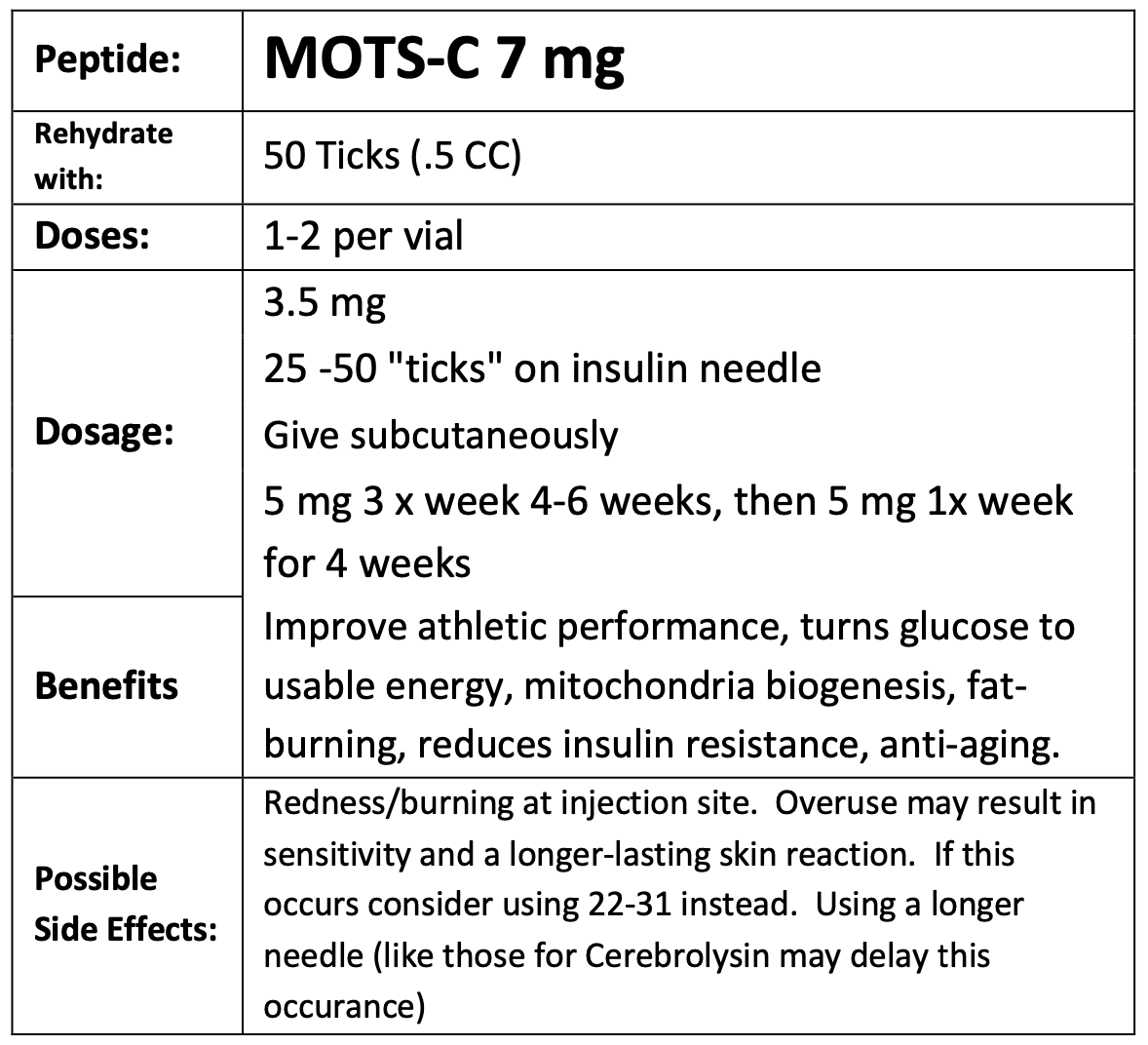
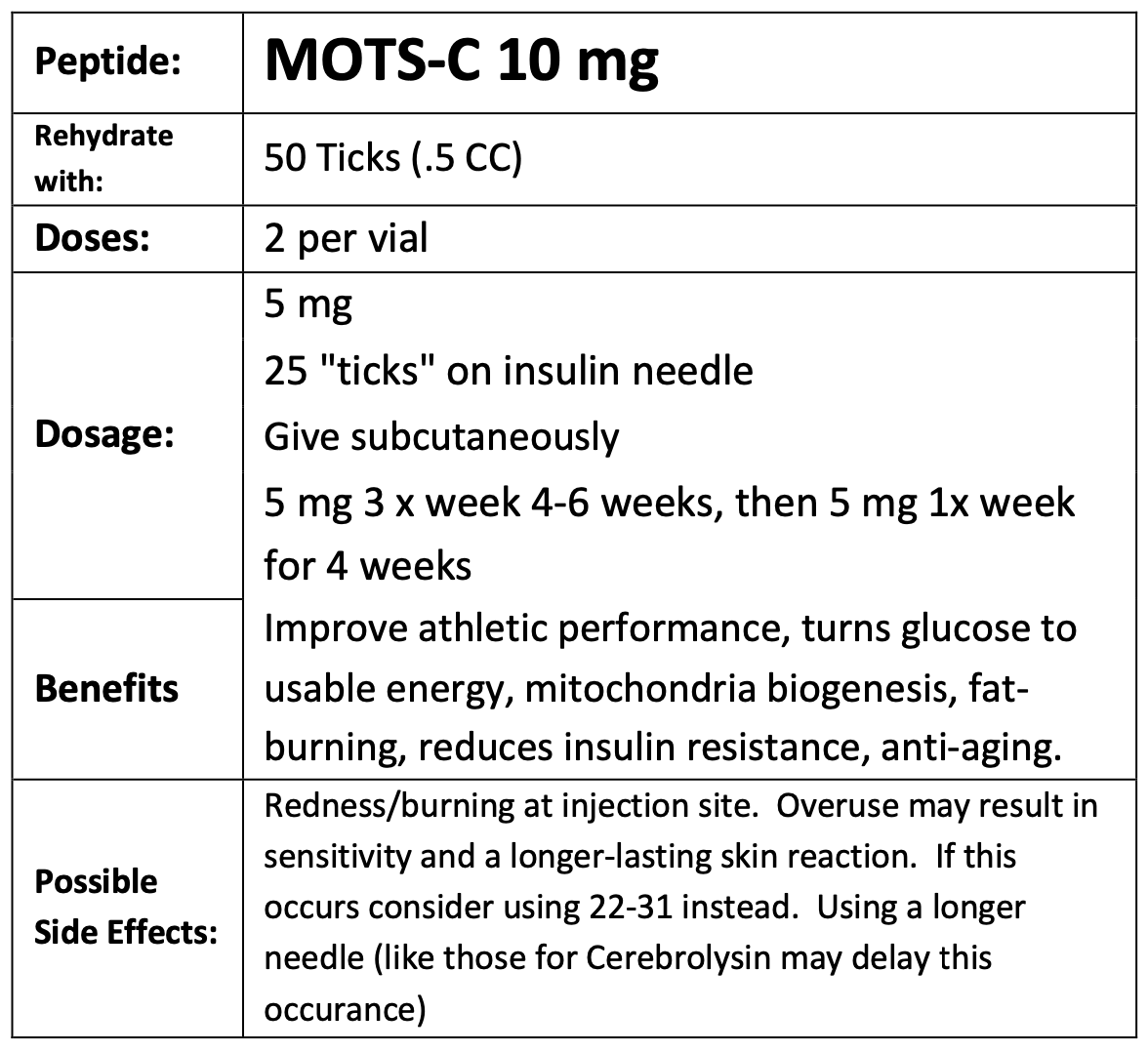
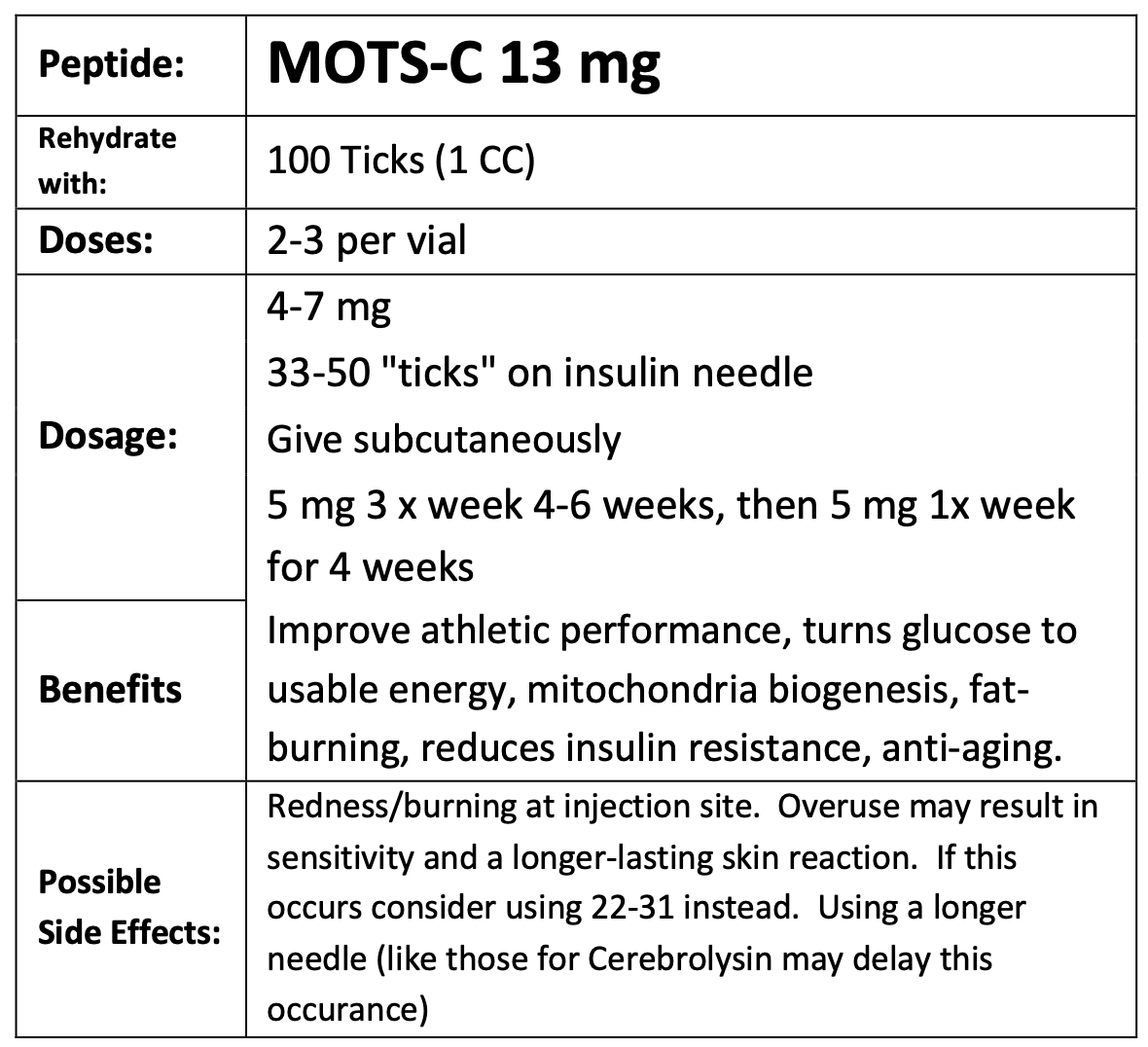
Q: How is MOTS-c dosed? A: The standard approach is 5 mg two to three times per week for four to six weeks, repeated one to two times per year. Optimal timing is in the morning before endurance exercise, because MOTS-c works through the AMPK pathway that aerobic exercise also activates. Up to 10 mg can be taken as a single dose.
Q: What is MOTS-c? A: A mitochondrial-derived peptide, meaning it is encoded by mitochondrial rather than nuclear DNA. Its primary target appears to be skeletal muscle. It inhibits the folate cycle, which activates AMP-activated protein kinase, an enzyme that enhances fat burning and is associated with longevity.
Q: Why is MOTS-c called exercise in a bottle? A: Because it activates AMPK, the same cellular pathway that endurance exercise activates. That makes it an exercise mimetic in the sense that it triggers one of the same signalling responses. It does not reproduce the cardiovascular, structural, or neuromuscular adaptations that training produces.
Q: Does everyone respond to MOTS-c? A: No. Leaner people who already have strong, upregulated mitochondrial function often report little effect, because there is less dysfunction to correct. Response appears greatest in people with metabolic dysfunction, insulin resistance, or limited capacity to exercise. Biochemical individuality is the determining factor.